Taipei is a maze of unlikely opposites. Intriguing visual puzzles dot the cityscape and delight the curious. As a foreigner, I notice these living contradictions everywhere. On this densely packed island, inside and outside, interconnectedness and separation, planned and unplanned, solace and chaos, all blur together.
Taipei’s 鐵窗 (tiěchuāng), literally meaning “iron windows”, are my most favourite of these urban oddities. Loathed or loved, prison-like or practical, these window cages are a fixture of Taipei city’s character and charm. But what are the stories that lie behind these metal bars? And what can we learn from them?
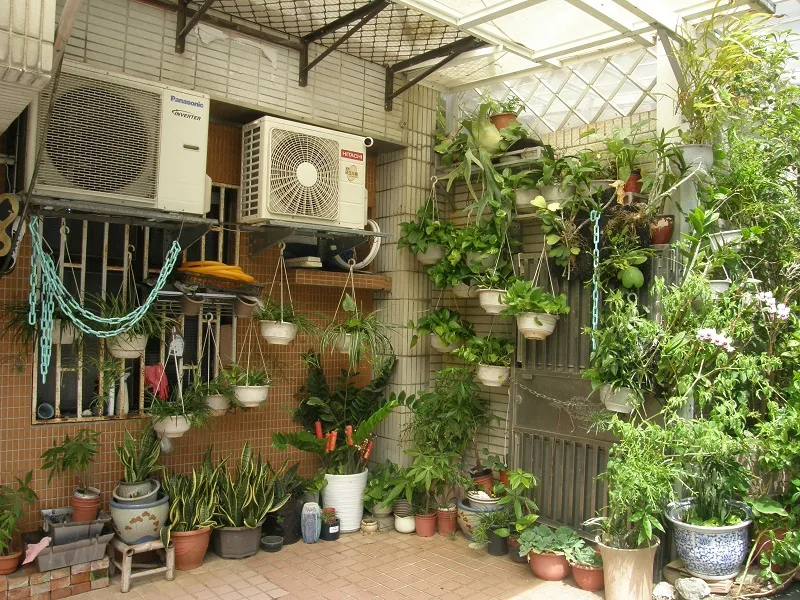
▲A typical view of a plant-loving Taipei apartment. Exposed air conditioning units, metal bars, and abundant green life, commingling.
Botanical brutalism as urban art
Taipei’s window cage culture gets at the heart of this collision of opposites. They are part of the communal whole, yet defined by their separation from that whole. Every window cage brings a different flavour — with clothes drying, lanterns hanging, and metal worked into different patterns and colours, to various degrees of rust and ruin. Most importantly however, these cages are defined by their plants. Each cage is an artistic portrait of urban life.
I see these involuntary sculptures as a form of what I’m calling botanical brutalism. Brutalist structures are often associated with post-war reconstructions in the 1960s and 1970s that prioritised pragmatism over aesthetic appeal. Brutalist buildings are built to endure, not charm. Critics have accused their stripped back concrete and metal character of being cold and institutional, even authoritarian.
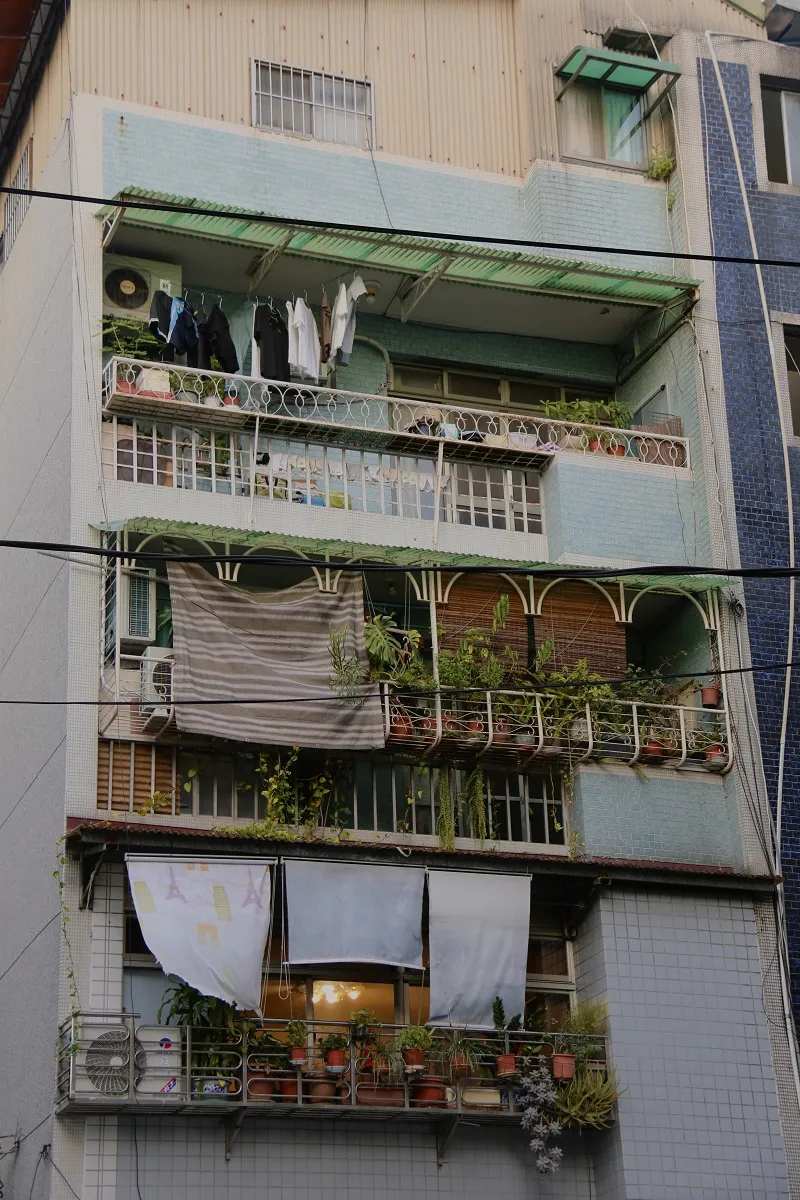
▲Botanical brutalism as urban art — little vignettes of lives in the city. Washing, plants, metal lattices, and more work together to tell visual stories of the people that live there.
Botanical brutalism then, describes what happens when brutalist structures collide with their visual opposite — abundant, unstructured greenery. In Taipei, window cages and the lives contained within — human and plant — embody this idea.
The rigidity of these metal structures interact with wild and untamed foliage — unfurling through cracks and planting roots in the negative space. Pot plants coexist with overgrown vines, blending purposeful and accidental growth. In a city with as much concrete as greenery, these cages are a kind of metaphor for the contradictions of life on this strange and wonderful island.
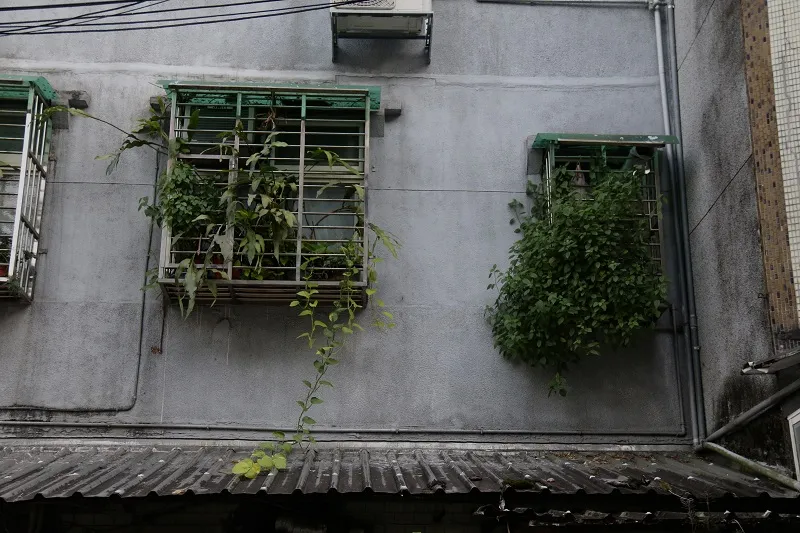
▲Hard to tell where the cage ends and nature begins.
Window cages: a colourful historical odyssey
During the 1960s, Taiwan experienced rapid economic growth and a resulting population boom. Concrete mid-rise apartment buildings were constructed in large numbers to meet the growing demand. These buildings were cramped and small, creating an appetite for creative solutions to make more space.
This coincided with the legacy of Japanese rule, where cast iron was used decoratively in public institutional buildings. Window lattices, where metalworkers fashioned creative metal structures, became fashionable post-WWII in the Japanese tradition.
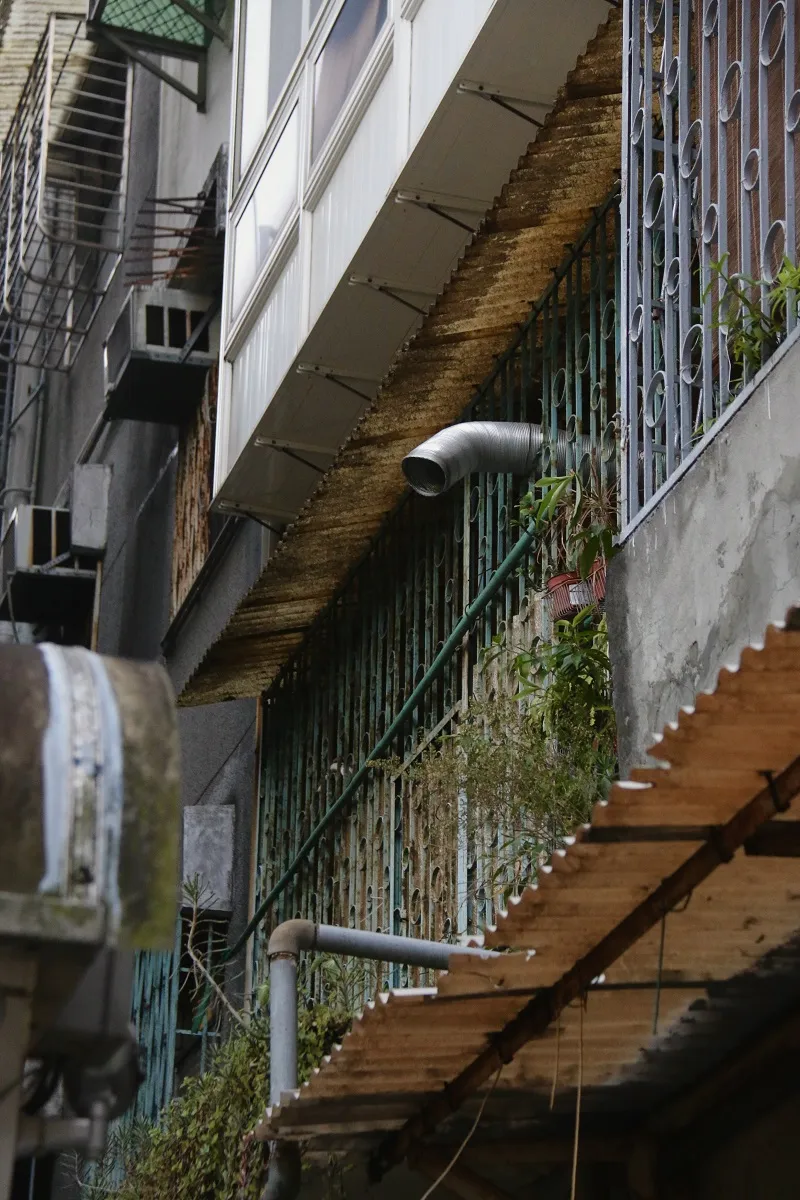
▲Little bits of greenery peeping through the imposing metal cage structures.
By the 1980s, in part driven by these factors, window cages were everywhere. But the reason for this embrace of the cage is still not clear-cut. Apart from creating more space — for storage, gardening, hanging clothes, these cages were also a response to fears of crime.
Though the data is subject to scrutiny given the influence of martial law, around 50% of all crimes reported during the authoritarian period were thefts of some sort. This is compared with just 13 percent in 2022. The implications are that despite how much crime there actually was, the image of it was synonymous with burglary and home invasion. This climate of fear contributed to the rapid uptake of window cages — seen as a defence against thieves.
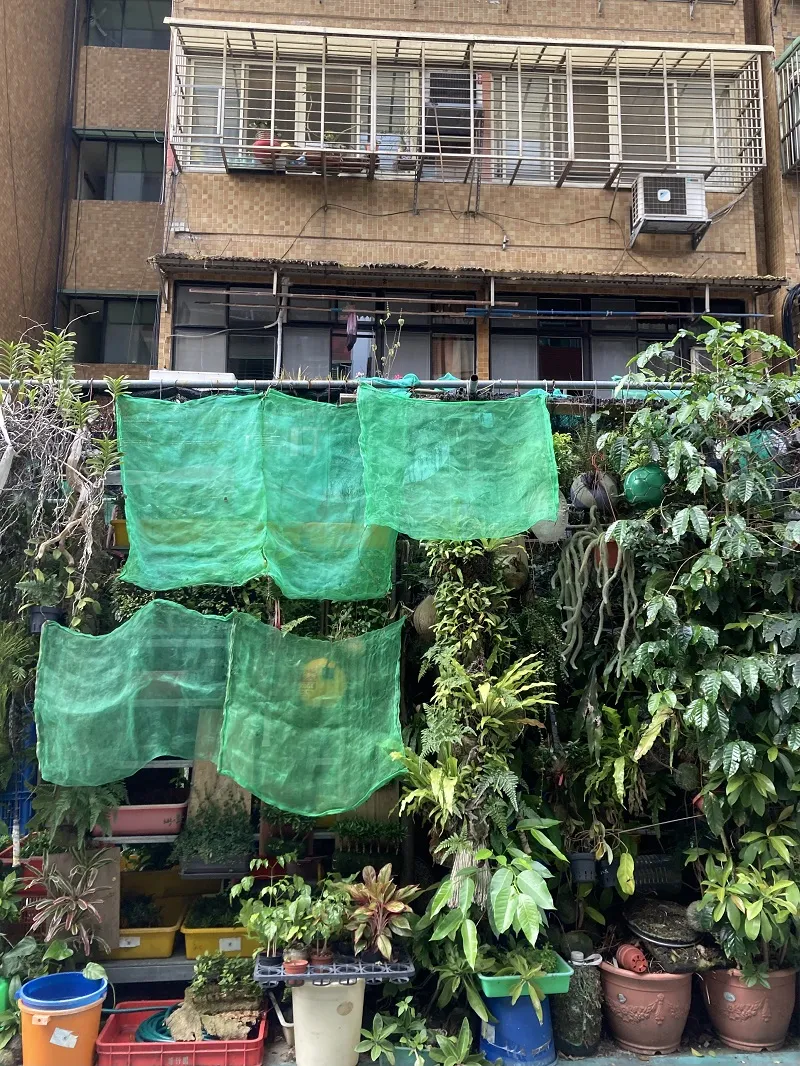
▲Striking visual contrast.
While cages make logical sense to prevent burglary on the lower levels, what about the top floors? Given the sensationalised nature of the alleged Taipei burglary wave, people began to produce convoluted rationale for the creative talents of the thieves.
Some reports suggested that the burglars were able to nimbly infiltrate rooftops and rappel down to apartments on the higher floors. Other residents of top floors felt obliged to install cages out of fears that robbers would use the cages on the bottom floors as malicious stepping stones. Amidst all this murkiness, one thing is sure: people were scared.
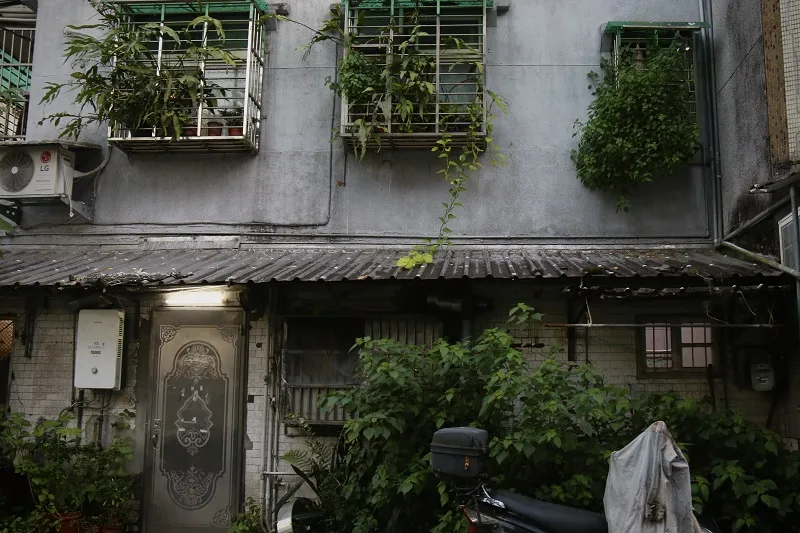
▲Botanical brutalism embodied – concrete and metal softened by intervening vines and planned/wild plant growth.
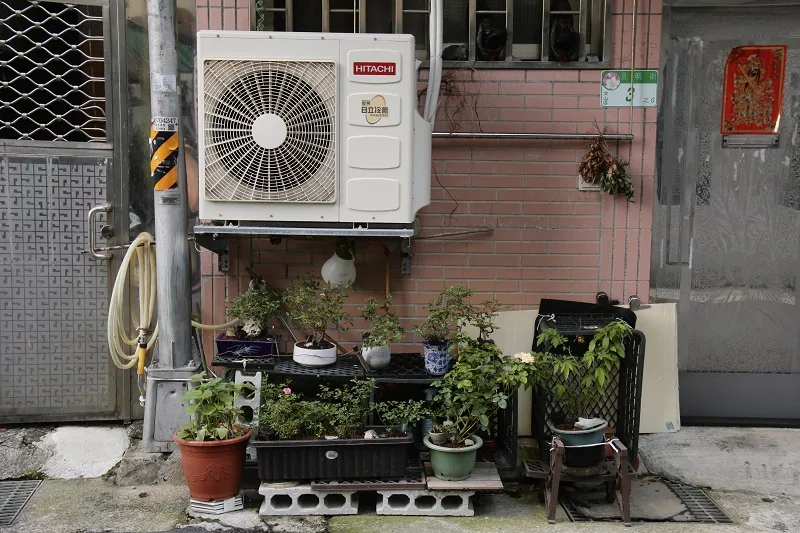
▲Botanical brutalism on the doorstep of a Taipei apartment building. Linking visual opposites.
Cage crackdown and attempted jailbreak
By the end of the 1980s, the government tried to put an end to the window cages. The cages, which are of different colours and shapes depending on the resident’s desires, were described as an “architectural parasite”. The “self-imposed imprisonment” of Taipei’s residents was framed as a civic problem that destroyed global perceptions of the city. There were also concerns about fire safety due to complications of the bars on safe emergency exits.
Regulations were implemented to try and stop the surge. Some developers added clauses prohibiting their installation and others attempted to make existing cages less visually offensive.
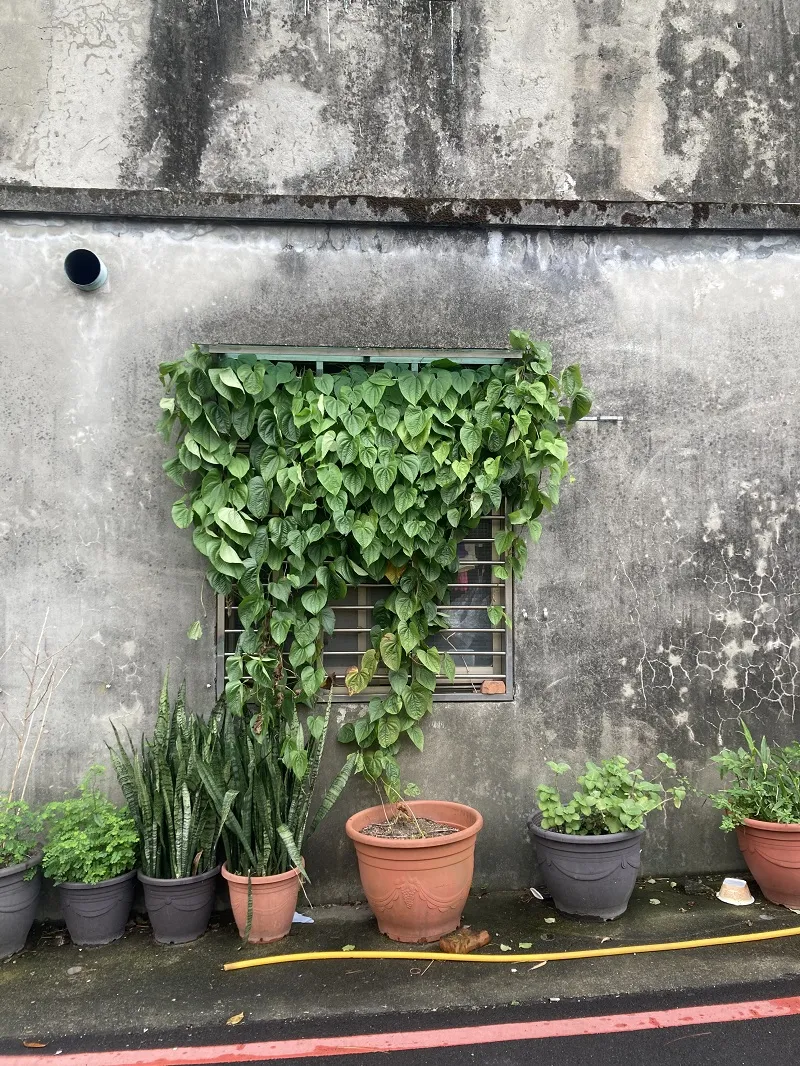
▲Grey concrete contrasts with bright greenery.
No simple answer — the many reasons continuing the cage-craze
Despite the government’s best efforts, window cages have not gone out of style. They continue to define the cityscape — with cages even increasing the value of some apartments. But as Taipei has now become one of the world’s safest cities, why do the cages remain?
Some accounts argue the cages function to prevent people from falling out of windows. Whether for humans or pets, the bars contribute to a feeling of security — keeping residents safe inside and thieves away outside.
Others attribute it to the additional storage. In a crowded city, fashioning a makeshift balcony to pot plants or hang the washing is a luxury. Valuable items like washing machines or bicycles can also be stored with peace of mind — particularly when balconies are visible from the street.
Another explanation is privacy. With such highly dense neighbourhoods, window cages provide a shield from onlookers. They also prevent things being thrown or dropped between apartments.
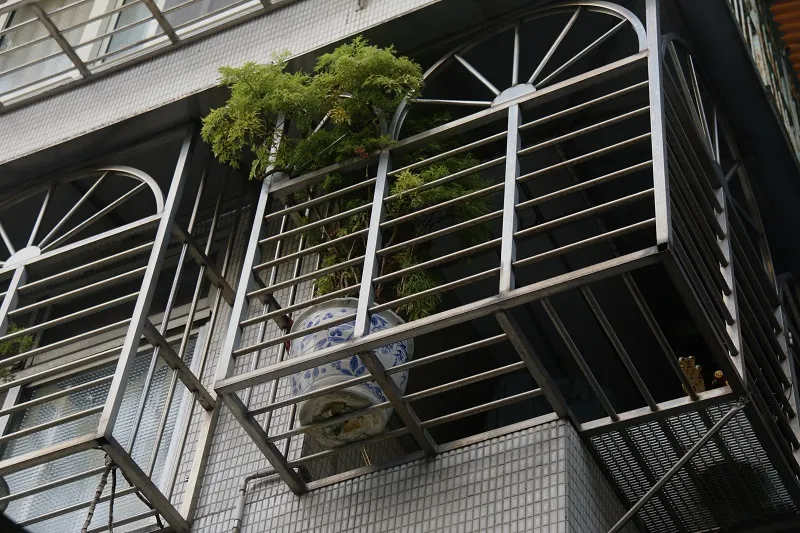
▲ Close up shot of a typical Taipei window cage.
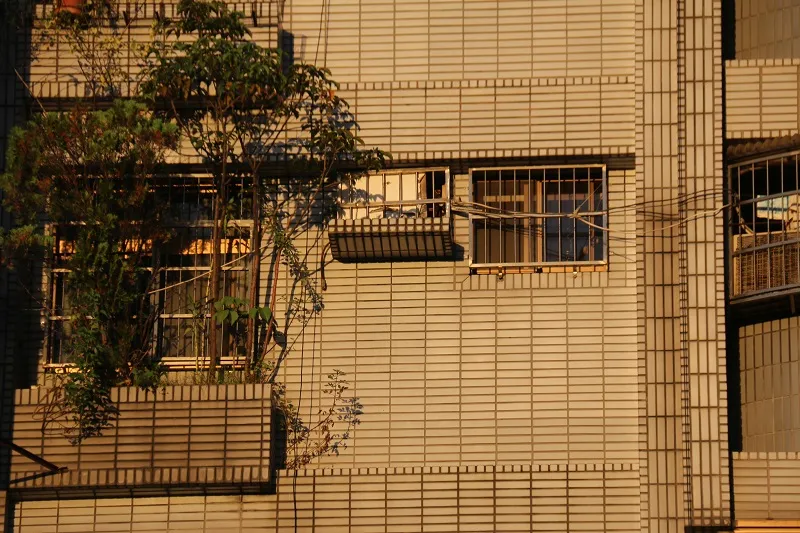
▲Concrete and metal meet wild foliage. The unmoving, rigid structure of the building collides with its visual antithesis
Essentially Taipei — a creative cultural norm
There is no single answer to why Taipei continues to embrace the cage. It is an indistinguishable blend of safety concerns, social norms, and practicality. But one thing is certain — these bars became a cultural norm, passed down through generations.
People stopped needing reasons for having them installed as the practice morphed into an expected norm. In short, they have become iconic.
Many people have turned these cages into intentional art — not only through their plants, but also through the design of the cages themselves. Some Taiwanese opt for decorative cages where the lattice reflects the profession of the homeowner. Where an eyeglass maker has spectacles woven into his lattice, a music teacher incorporates musical instruments. The cages work here to signal identity through urban art.
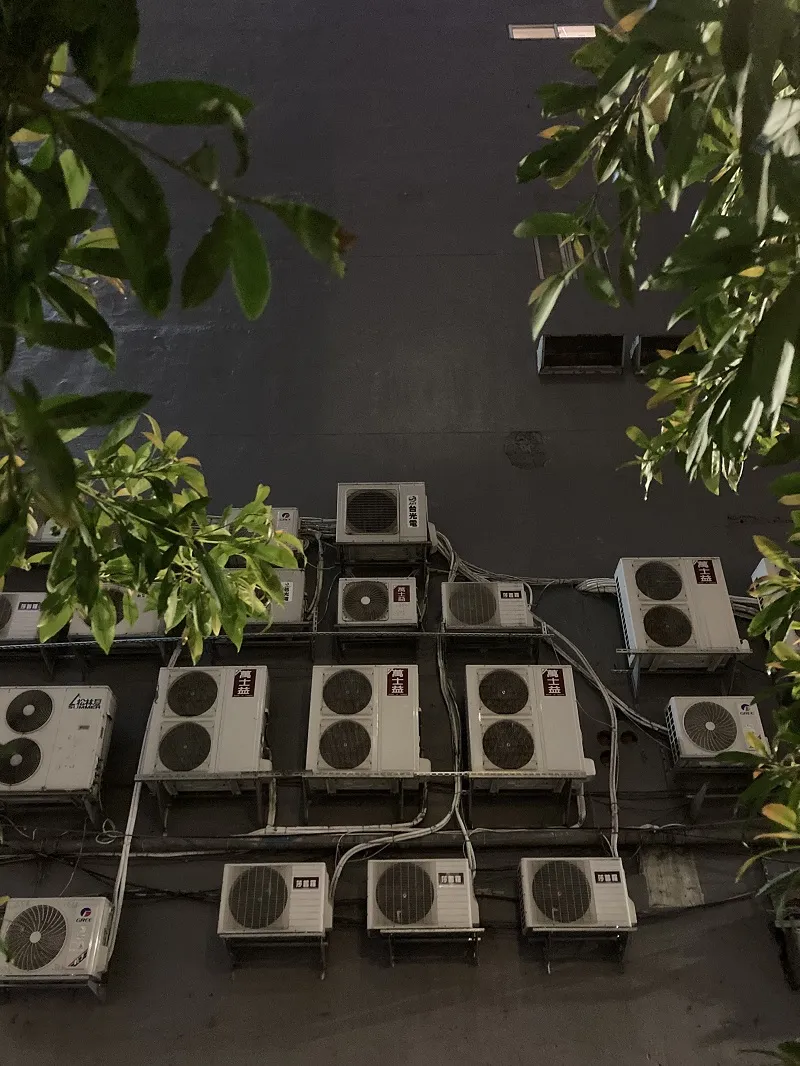
▲Air conditioning units on the outside of a building connected through wild, almost vine-looking wires and shrouded in plant life.
In defence of the cage
For me, window cages and the green life they contain inside perfectly represent Taipei. They represent finding pockets of fascination in places you least expect, where history and habit commingle to invent something new. The order of the cage divides the disorder of messy life that sits on either side — plants, people, clothes, lanterns, pets, and thieves. Taipei’s botanical brutalism is an expression of life in this city.
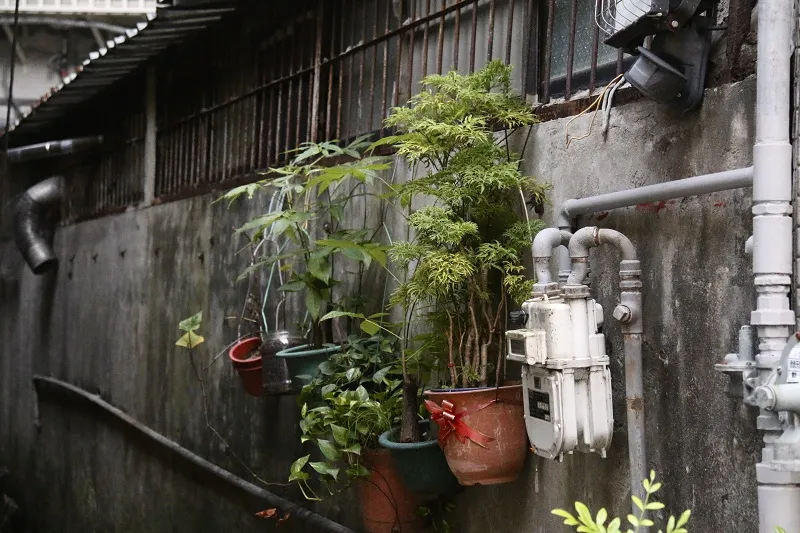
▲Eye-catching visual contradiction — brutalist pipes hang like almost-plants. The pipe appendage becomes a kind of living/breathing entity alongside the hanging plants.
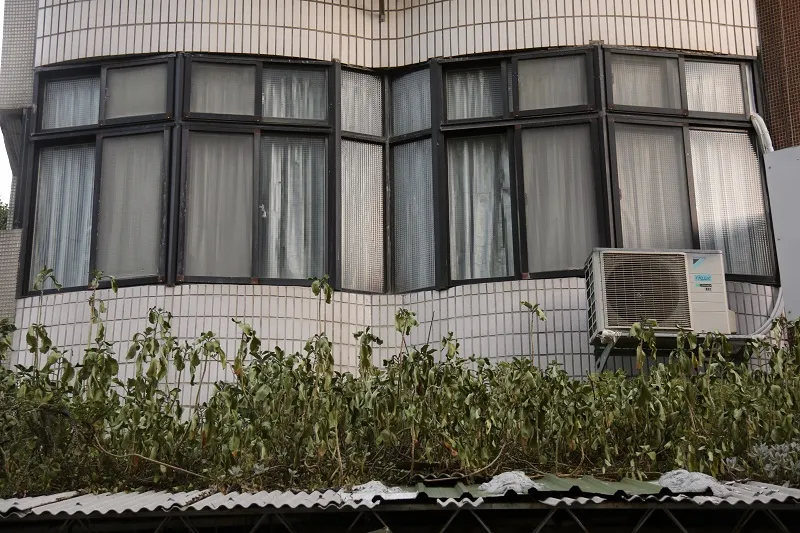
▲Example of accidental plant relationships with building structures. These plants must have somehow sprouted from the roof some time ago.